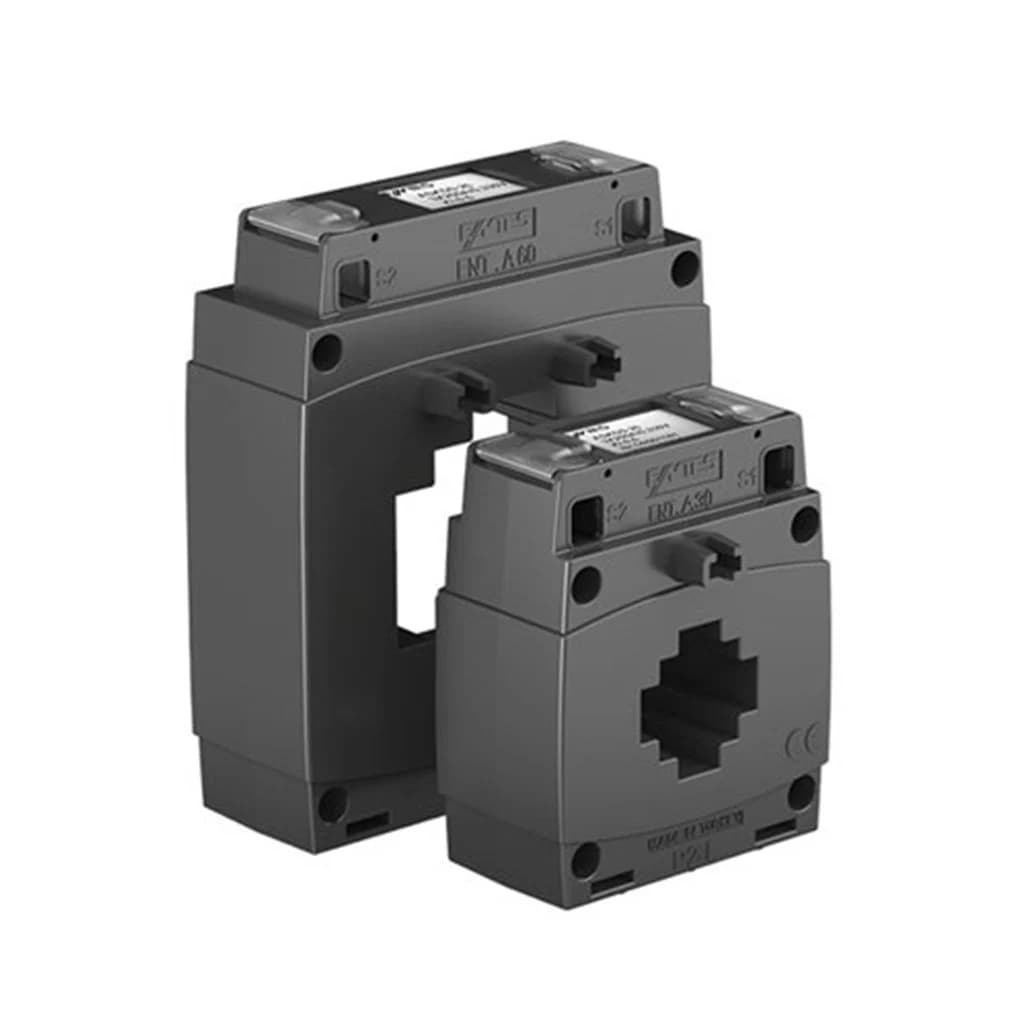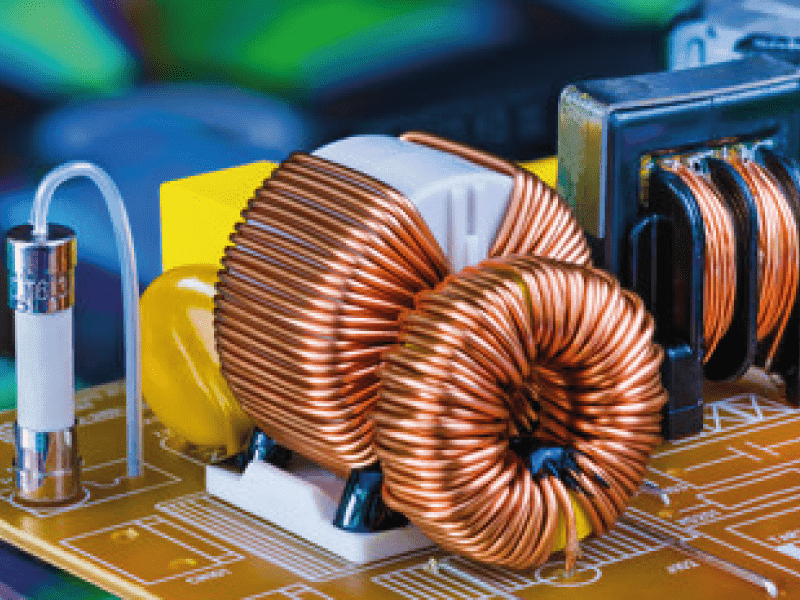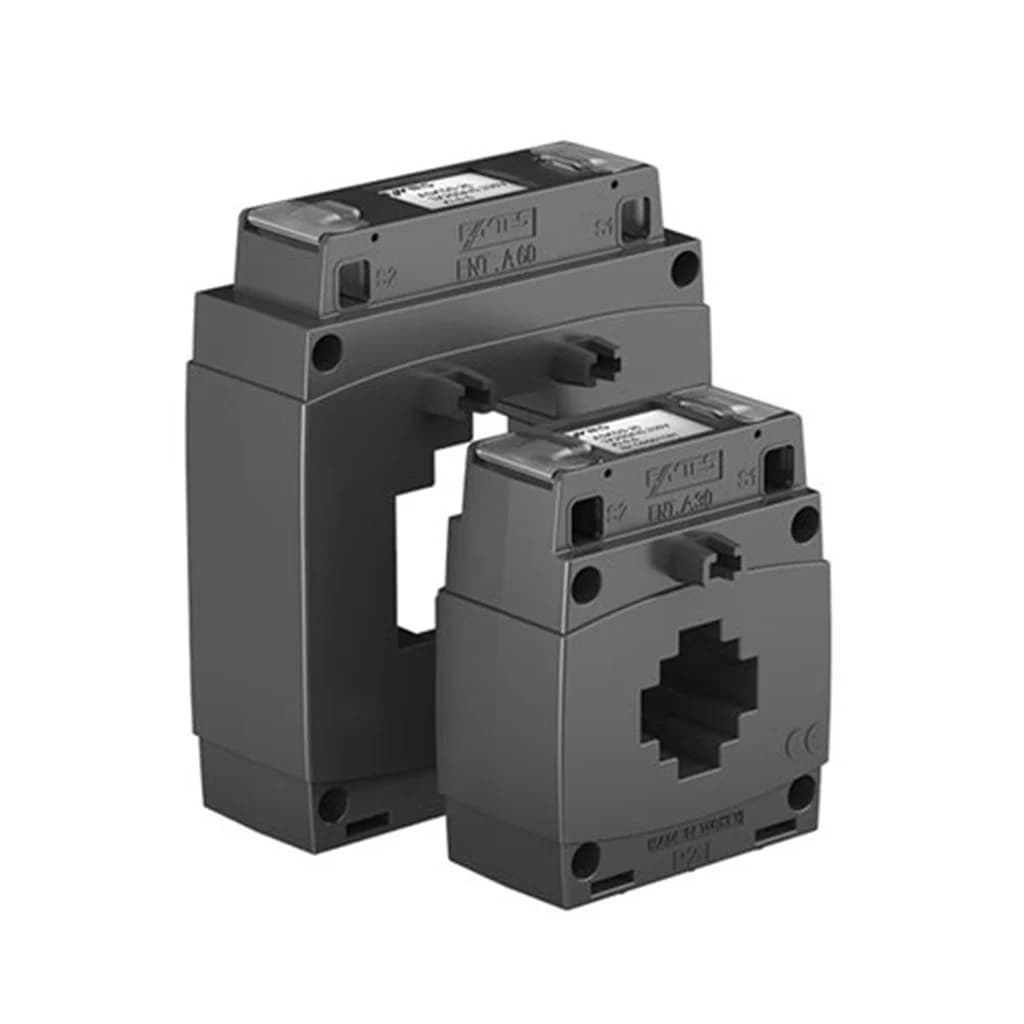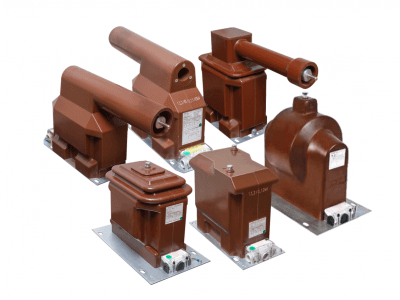
Current transformers are small-rated transformers that deliver the system current within safe limits so that the metering, recording and protection or control devices connected to their secondaries can perform their functions.
They isolate the devices connected to their secondary circuits from the network and, through the characteristics of their magnetic circuits, eliminate the damaging effects of any overcurrent that may arise in the system.
A current transformer may carry more than one secondary winding on magnetically isolated cores of identical or differing characteristics. A single unit can therefore feed both a protection and a metering circuit through cores with different overcurrent factors, or two separate metering circuits through cores of different accuracy classes.
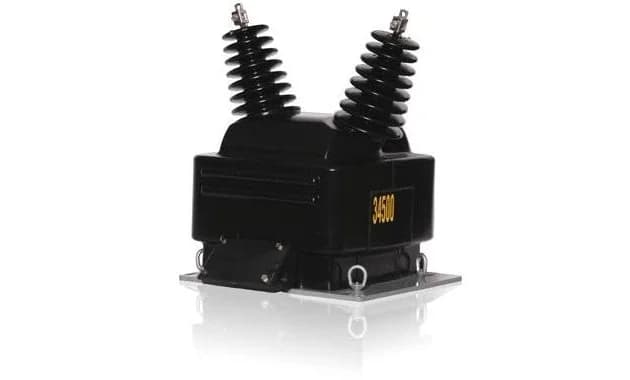
Inductive voltage transformers are, in practice, low-rated transformers operating unloaded. They isolate the connected protection circuits and instruments from the rated voltage on the primary side. The secondary voltage is proportional to the primary voltage and, when correctly connected, the phase displacement between the two is approximately 0°.
Voltage transformers have a single core and normally carry one secondary winding. Where required, single-pole units can be fitted with an earth fault winding in addition to the metering winding.