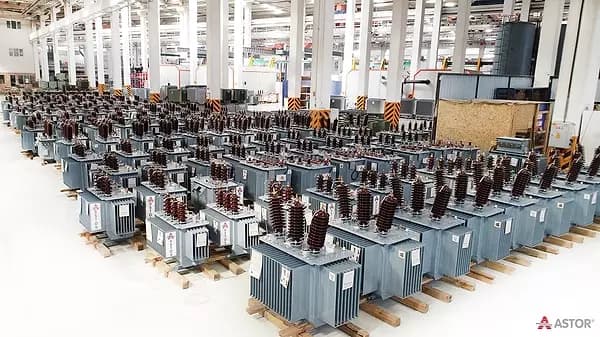
Ergu Enerji works with factories equipped to design, manufacture and test power transformers up to 1000 MVA and 800 kV. Every unit is built to the customer specification, to national and international standards, and to a high quality philosophy.
Power transformers fall into four groups. Generator transformers connect to generator outputs up to 36 kV and feed the transmission lines on the high voltage side; over-excitation and overload conditions govern their design. Network transformers act as step-down units in substations, with ambient conditions and peak load demand shaping the design. Industrial transformers serve as step-down units in manufacturing plants; because they are frequently exposed to short circuits, they require specific design measures.
The special transformer family covers railway, single-phase, mobile, arc furnace and furnace transformers; furnace reactors and series-shunt reactors; rectifier, phase-shifting, booster and marine transformers.
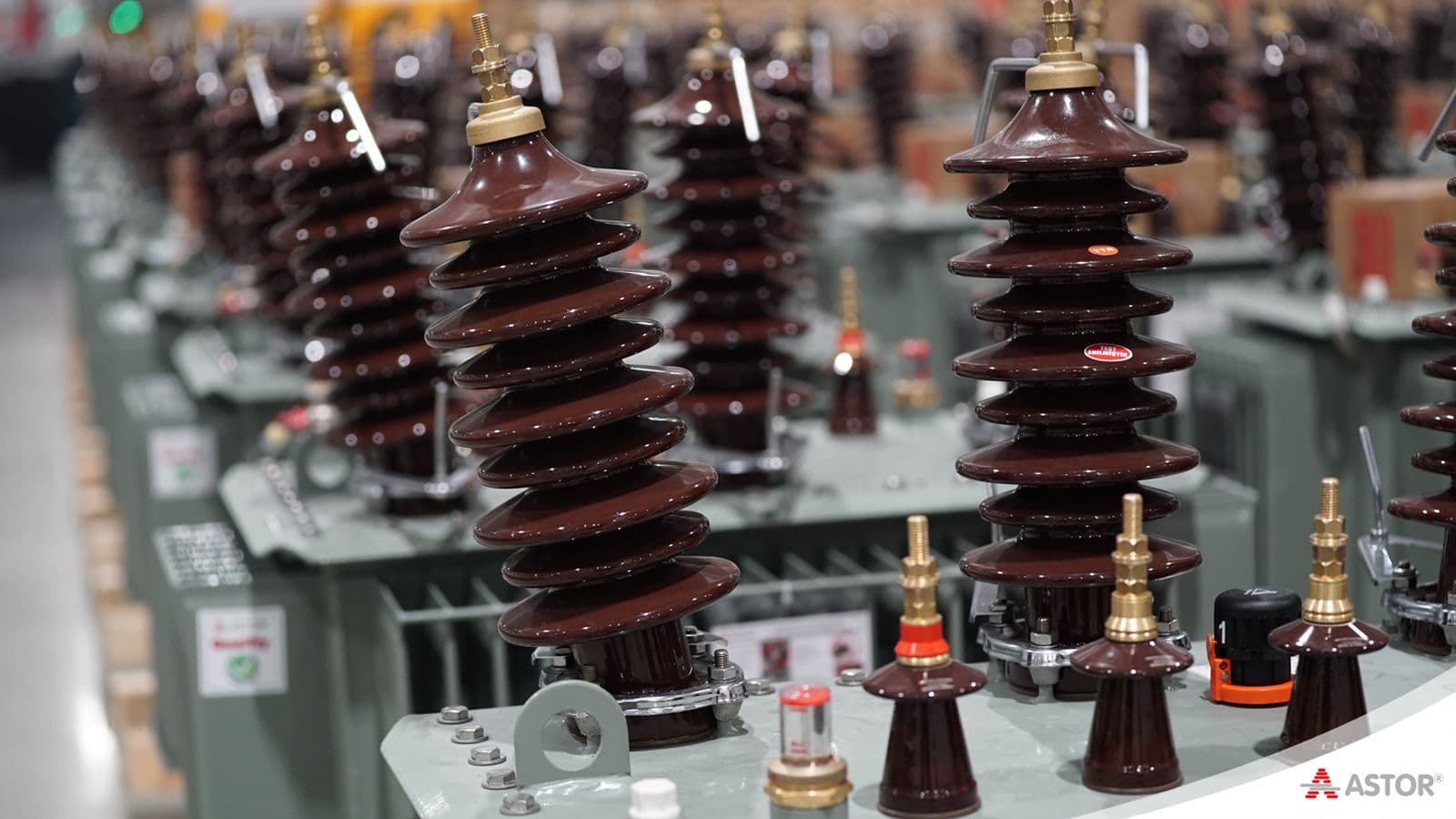
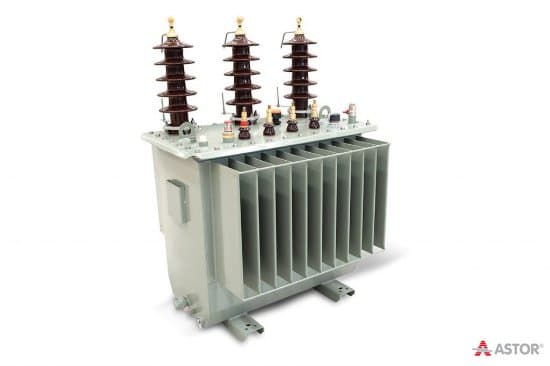
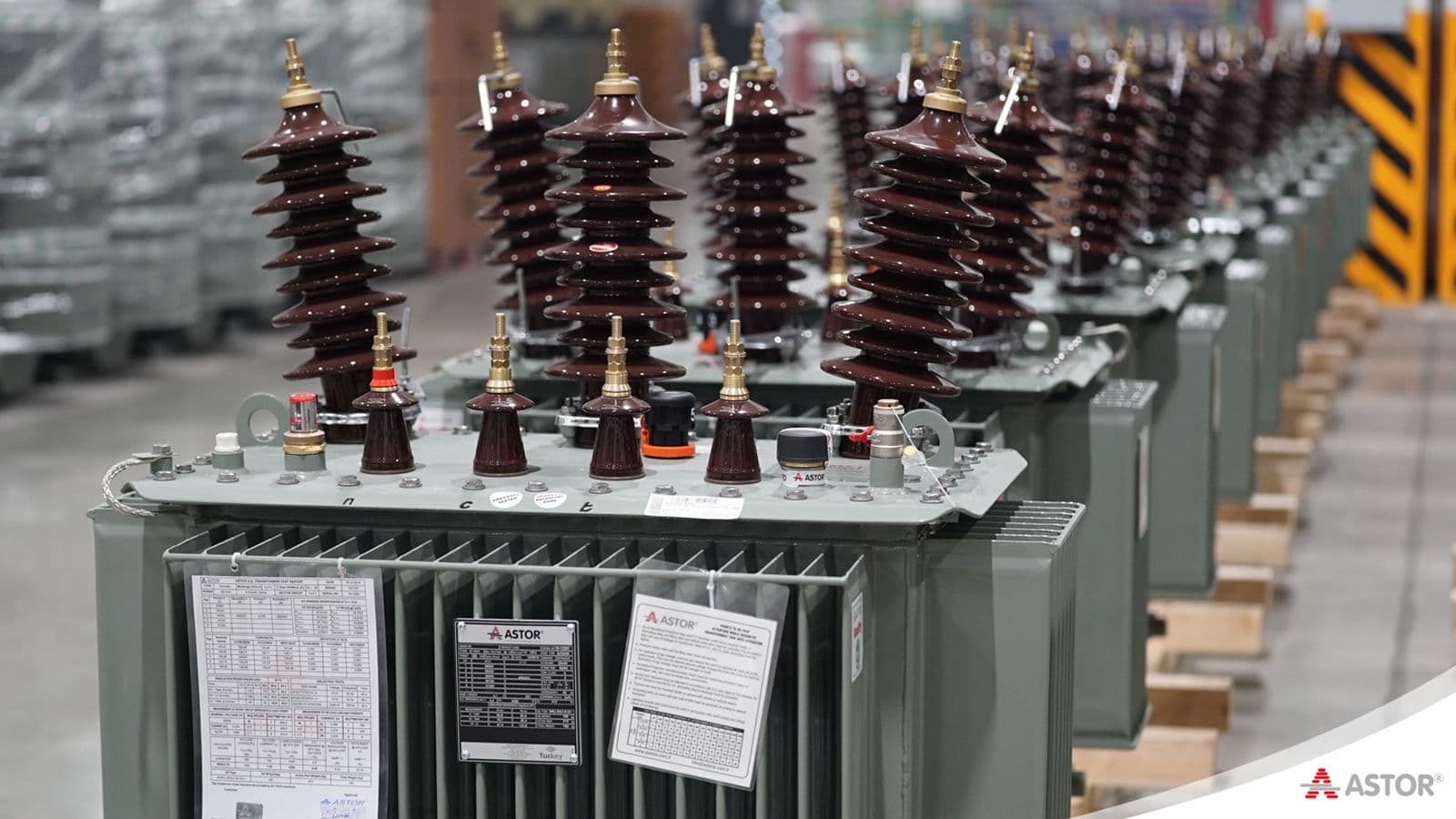
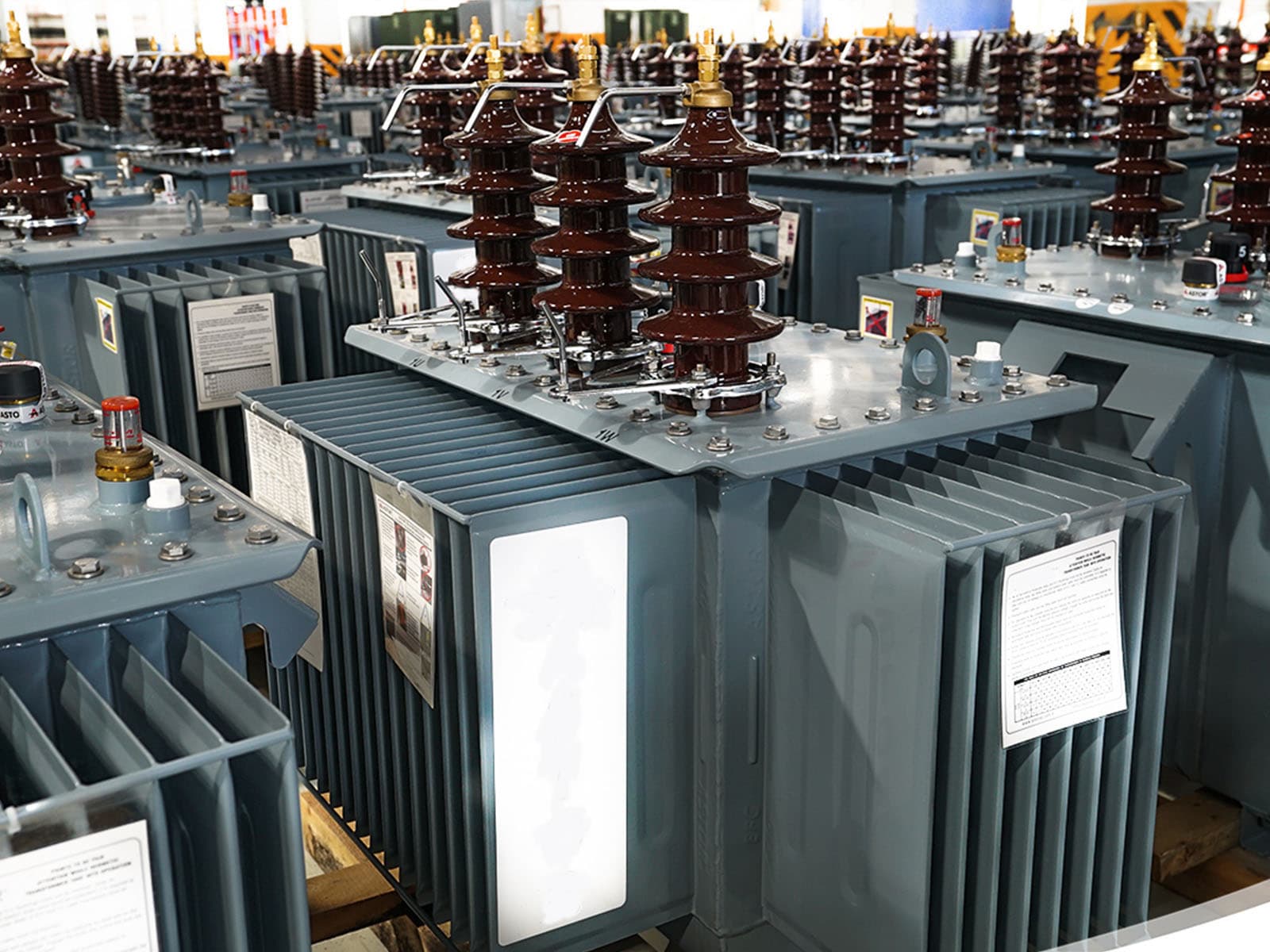
On the distribution side, units are supplied from 50 to 5000 kVA up to 36 kV, suitable for both indoor and outdoor use. They are designed to be economical, safe, low-loss and long-lived for utilities and industrial facilities. Options include off-circuit or on-load automatic tap changers; ONAN natural or ONAF fan cooling; hermetic or conservator type; ceramic or plug-in bushings.
Dry type units are supplied from 250 to 25000 kVA up to 36 kV, air natural (AN) or air forced (AF) cooled, cast resin construction. Compared with oil-filled units they are safe against fire and explosion, occupy less space at equal rating, run quieter, and operate in humid and heavily polluted environments. They withstand short circuits and seismic loads, tolerate up to 40% sustained overload with forced cooling, and their windings can be replaced on site without routine maintenance.
Quality is documented and continuously improved to ISO 9001. The partner transformer factories hold some of the largest test laboratories in Türkiye and Europe. Routine tests cover winding resistance, voltage ratio and phase displacement, short-circuit impedance and load loss, no-load loss and current, applied voltage (AV), induced voltage (IVW and IVPD), insulation power factor and leak tightness. Type tests include sound level, lightning impulse and temperature rise; special tests include zero-sequence impedance, partial discharge, tank life and switching impulse. Oil testing covers resistivity, breakdown voltage, water content, acidity, interfacial tension, density, kinematic viscosity, flash point and pour point.
The service department is equipped with current-generation test instruments and installation equipment. Maintenance and repair are handled 24/7 by an engineering team trained in first aid and occupational safety.